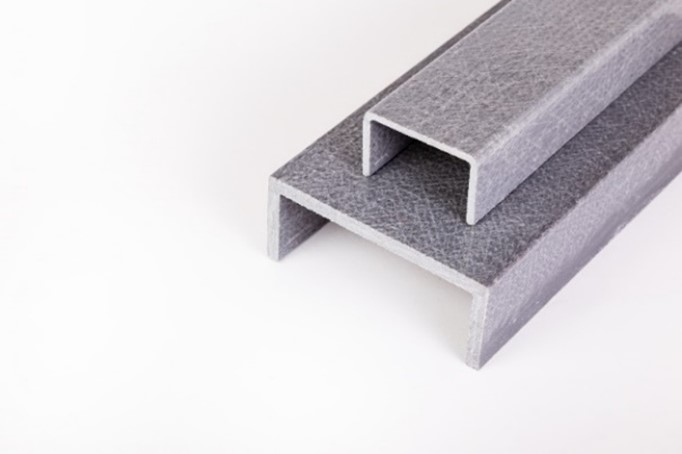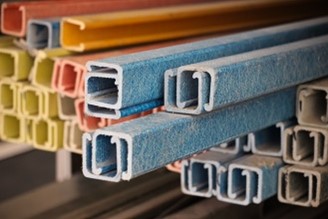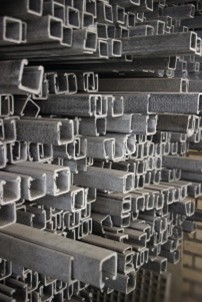
GRP products
What are GRP products?
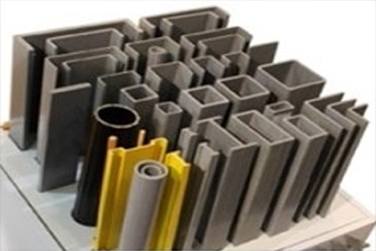
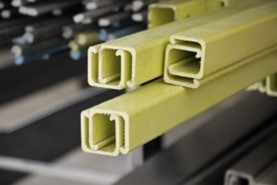
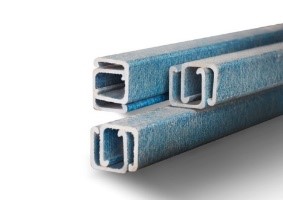
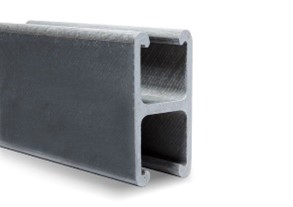
Glass reinforced plastic (GRP) – also known as glass reinforced polymer, fiberglass, glass fiber composite, or composite plastic – is a highly versatile, lightweight and strong material with a range of applications across different industries. It is made from plastic reinforced with fine fibers made from glass, bonded together with a tough waterproof resin. GRP belongs to a larger family of products known as fiber reinforced plastics (FRP).
Glass Reinforced Plastic (GRP) products stand as hallmark solutions in the realm of advanced materials, offering a versatile array of applications across diverse industries. GRP behaves differently to the conventional thermoplastics that are used in everyday items. This means that it has properties that are useful for a range of applications within many industries.
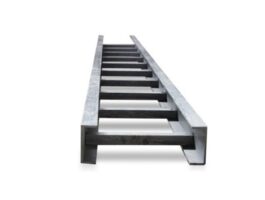
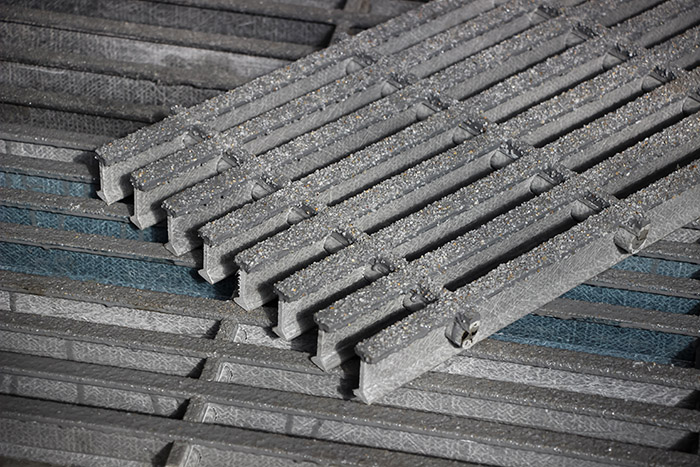
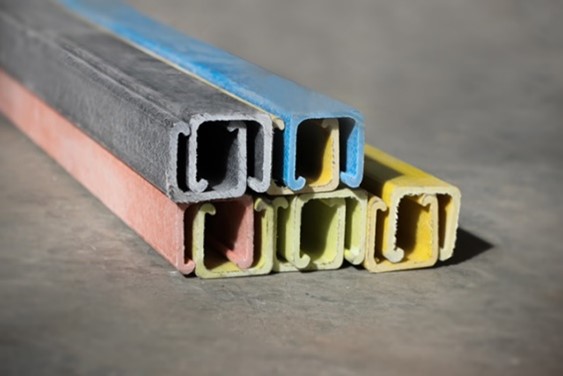
GRP material exhibits exceptional corrosion resistance, making it an ideal choice for applications in harsh environments. From cable trays and ladders to gratings, GRP products are celebrated for their durability, non-conductive nature, and resistance to chemicals. This results in products with a high strength-to-weight ratio, excellent corrosion resistance, and adaptability to various applications. GRP finds extensive use in cable management systems, providing reliable solutions for cable trays, ladders, and other related accessories. GRP products are recognized for their versatility, making them suitable for industries such as oil and gas, petrochemicals, power generation, and more. As pioneers in the engineering and production of GRP solutions, we take pride in delivering products that embody the epitome of durability, innovation, and performance, meeting the evolving demands of modern infrastructure across the globe.
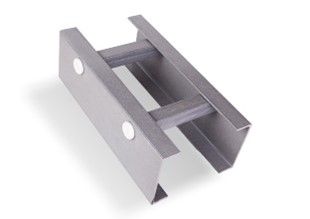
Why is GRP used?
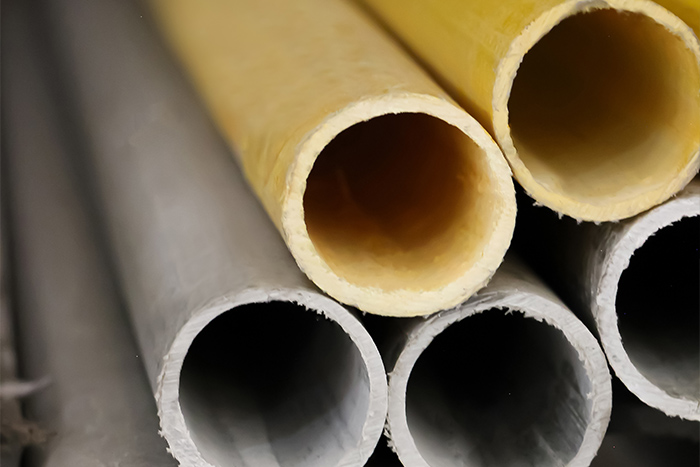
The unique characteristics of GRP allow it to be molded and manufactured to practically any shape or design. This allows for a huge array of design possibilities, making it extremely flexible to work with. It can also be manufactured in a huge variety of finishes, colors and sizes. GRP is corrosion and weather-resistant, making it suitable for both indoor and outdoor use. Despite its lightweight properties, GRP offers remarkable strength-to-weight load-bearing performance. It is low maintenance, non-conductive and impact resistant. The numerous advantages of GRP mean that more and more architects, engineers, builders and developers are specifying GRP as a material of choice and alternative to wood, steel and concrete.
Applications of GRP
Construction: GRP is widely used in the construction industry for manufacturing panels, cladding, and roofing materials due to its lightweight nature, durability, and resistance to environmental factors.
Transportation: In the transportation sector, GRP finds applications in the manufacturing of lightweight components for automobiles, buses, and even aircraft, contributing to improved fuel efficiency.
Marine Industry: GRP is a staple in the marine industry for building boat hulls, decks, and other components. Its resistance to corrosion from saltwater makes it an excellent choice for marine applications.
Chemical and Industrial Plants: The corrosion resistance of GRP makes it indispensable in chemical and industrial plants where exposure to corrosive substances is a constant challenge.
High humidity places: GRP is suitable for use in harsh conditions as it is capable of withstanding aggressive environments, including resisting to ion attacks and conducting electrochemical reactions.




What are the benefits of GRP products
Glass Reinforced Plastic (GRP) products offer a range of advantages and considerations, shaping their suitability for various applications.
Benefits:
– Lightweight: GRP products are renowned for their lightweight nature, facilitating easier handling, transportation, and installation.
-Corrosion Resistance: GRP products exhibit exceptional resistance to corrosion, making them ideal for use in corrosive environments such as chemical plants and offshore installations.
-High Strength-to-Weight Ratio: GRP boast a remarkable strength-to-weight ratio, providing structural integrity without unnecessary bulk, enhancing efficiency.
-Versatility: These materials offer versatility in design and application, allowing for the creation of customized solutions for cable management systems, including cable trays, ladders, and gratings.
-Non-Conductive: GRP is inherently non-conductive, ensuring safety in applications where electrical conductivity is a concern.
-Chemical Resistance: GRP products demonstrate resistance to various chemicals, enhancing their suitability for industries dealing with corrosive substances.
-100% Recyclable: GRP is 100% recyclable and can be reused in many different applications. GRP products can be professionally recycled to produce high-quality substitute fuels and reclaimed fibers. Furthermore, processed GRP waste is a high-grade alternative for the cement industry where it is used both as a fuel and as a mineral raw material (SiO2).